In short
- Guides provide spotting scopes to keep a safe 100-yard distance.
- Tours focus on Lamar Valley and Hayden Valley at dawn or dusk.
- Expert trackers know recent animal movements and habitats.
In this article
Yellowstone National Park spans 3,472 square miles. While you will likely see bison from your car, finding elusive predators requires local knowledge. Guides track daily animal movements and supply high-powered optics.
Why book a wildlife tour instead of driving myself?
Guides know recent animal movements and handle the driving.
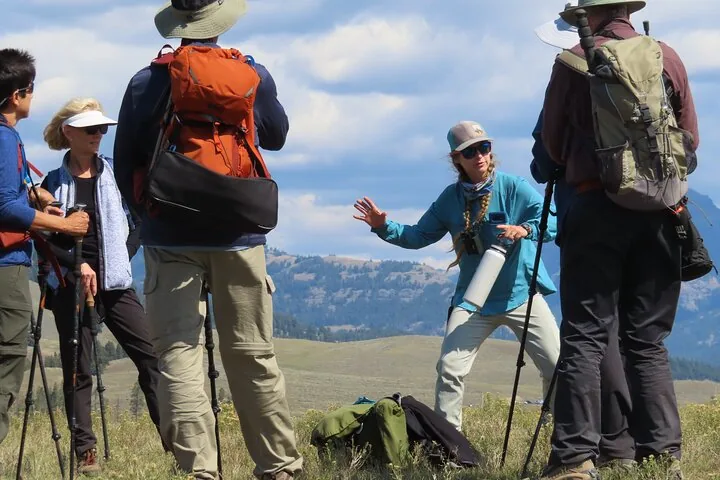
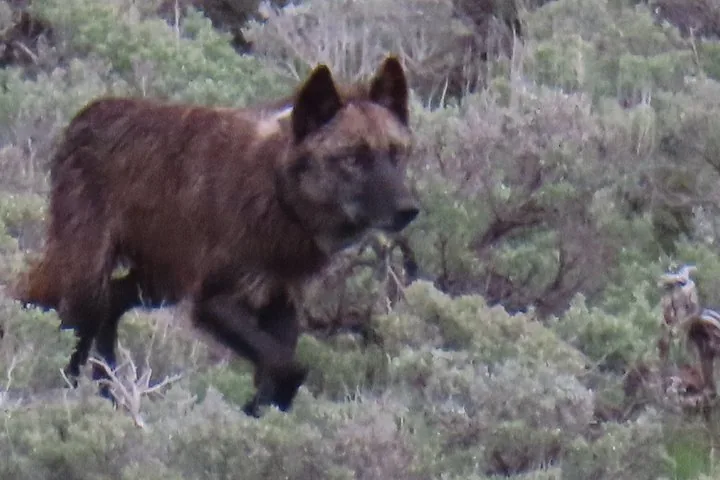
Finding predators like wolves and grizzly bears requires patience and current tracking data. Expert guides communicate with each other to locate active wildlife. They also provide high-quality spotting scopes. This allows you to view animals safely.
Where do wildlife tours go in Yellowstone?
Tours primarily target Lamar Valley and Hayden Valley.
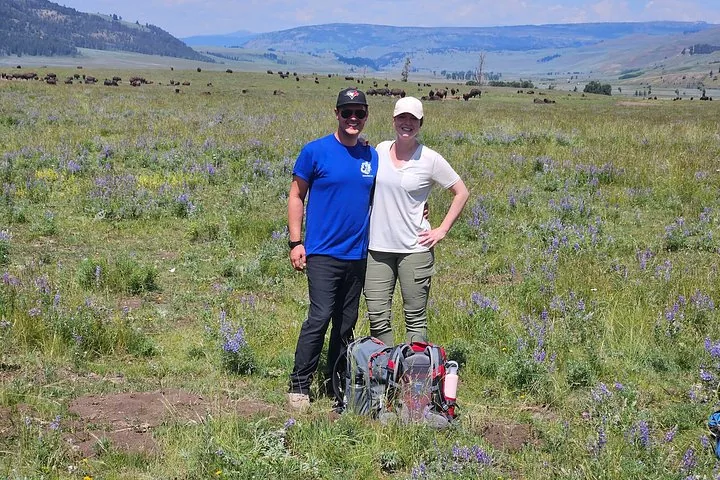
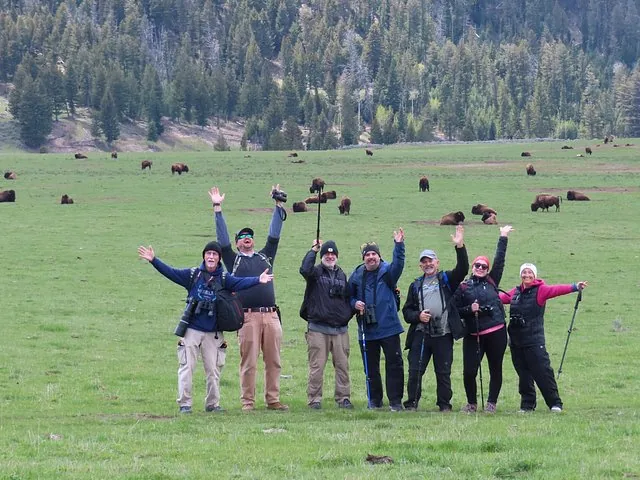
Lamar Valley in the northeast is the premier destination for spotting wolves and grizzly bears. Hayden Valley is centrally located and famous for massive herds of American bison. Guides choose routes based on current road conditions and daily wildlife activity.
What time of day is best for a wildlife tour?
Dawn and dusk offer the highest chance of seeing active predators.
Most wildlife tours depart very early in the morning. Animals are most active during these cooler hours. Mid-day heat often drives bears and wolves into the dense forests to rest.
Are wildlife sightings guaranteed on a tour?
No, sightings are never guaranteed because the animals are wild.
Yellowstone is an unfenced wilderness. However, a professional naturalist guide significantly improves your odds. They know the terrain, habits, and recent locations of specific packs or animals.
What should I bring on a guided wildlife tour?
Pack warm layers, a reusable water bottle, and your camera.
Temperatures drop below freezing in the early morning, even in summer. Wear a warm fleece and bring a rain jacket. Tour operators usually supply binoculars, scopes, and snacks. Always check your specific tour details.
How close can we get to the animals?
You must stay 100 yards from bears and wolves.
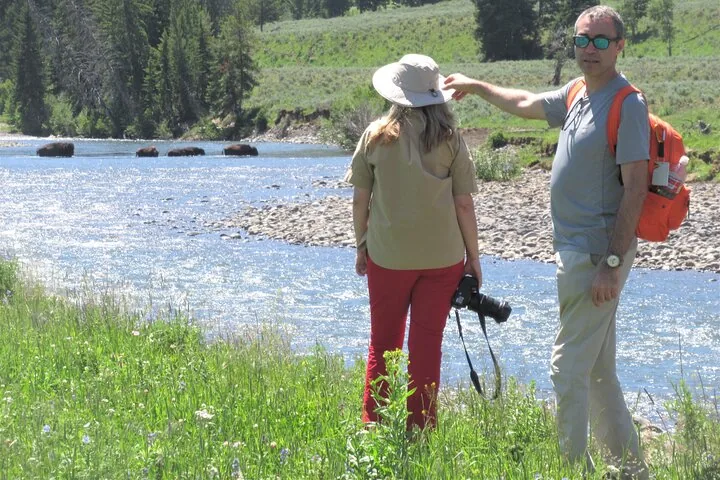
You must maintain a safety distance of 25 yards from all other wildlife, including bison and elk. These distances are strict national park rules. Guides enforce these limits for your safety. Using the provided scopes ensures you get a clear view.
Do tours operate in the winter?
Yes, winter wildlife tours operate using snowcoaches or snowmobiles.
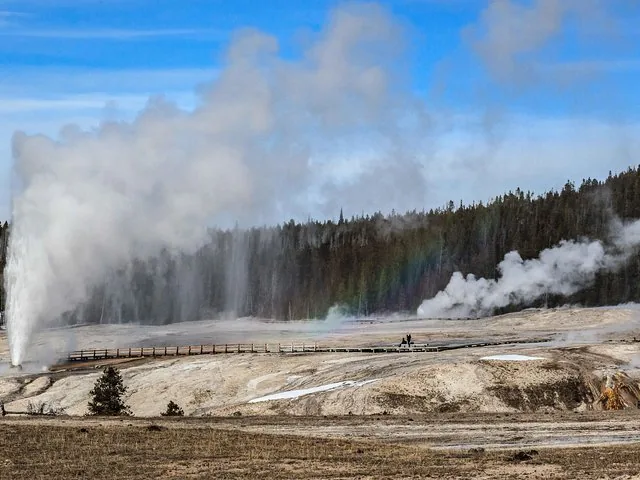
Most interior roads close to regular vehicles from early November to mid-April. Winter tours provide the only access to major interior attractions. They offer a unique chance to see wildlife against the snow.
Questions travellers ask
Do I need to pay the park entrance fee on a tour?
Yes, standard entrance fees apply. The park charges $35 per vehicle for a 7-day pass. As of 2026, non-US residents aged 16 and over pay an additional $100 per person fee. Check your tour details to see if fees are included.
Can I rent spotting scopes instead of taking a tour?
Yes, but finding the animals remains the hard part. A guide provides both the optics and the expertise to locate wolves and bears across the massive park.
Are wildlife tours family-friendly?
Many tours welcome children, but expect long hours in a vehicle or on a trail. Confirm minimum age limits and Family Guide recommendations with your chosen tour provider.