Plan your visit
Plan Your Visit to Yellowstone
Prepare for significant driving distances, strict wildlife safety rules, and changing mountain weather.
Getting there
Most visitors drive the 142-mile Grand Loop Road to access main attractions.
| How | Time | Cost | Notes |
|---|---|---|---|
| Car: Driving the 142-mile Grand Loop Road is the primary way to explore the park. | Varies | $35 per vehicle | Expect significant traffic delays during summer, often caused by 'bison jams' or visitors stopping to view wildlife. |
| Tour: Guided bus tours in summer and guided snowcoaches or snowmobiles during the winter season. | Half-day to multi-day | Varies widely | Winter snowcoach tours are the only way to access major interior attractions like Old Faithful between mid-December and mid-March. |
| Walk: Exploring via boardwalks in thermal areas and hiking along the park's 900+ miles of backcountry trails. | Flexible | Free | Hikers must carry bear spray and stay strictly on boardwalks in hydrothermal basins. |
When to go
- J
- F
- M
- A
- M
- J
- J
- A
- S
- O
- N
- D
QuietModerateBusyPeak
Summer (June through September) is the busiest but offers full road access. Summer is the busiest season, with heavy traffic at the main sights. Winter access requires specialized over-snow vehicles.
What to bring
Your ticks are saved in this browser only.
Cell service is practically nonexistent within the park boundaries.
Download offline maps and audio tours before entering.
How the day runs
You need multiple days to properly explore the upper and lower loops.
A full day focused on the major geothermal features and waterfalls.
- Enter the Park
Arrive early at the West Entrance to beat the longest lines.
- Old Faithful
Check the predicted eruption time and secure a viewing spot early.
- Grand Prismatic Spring
Hike the Fairy Falls trail to the overlook for the best view.
- Grand Canyon
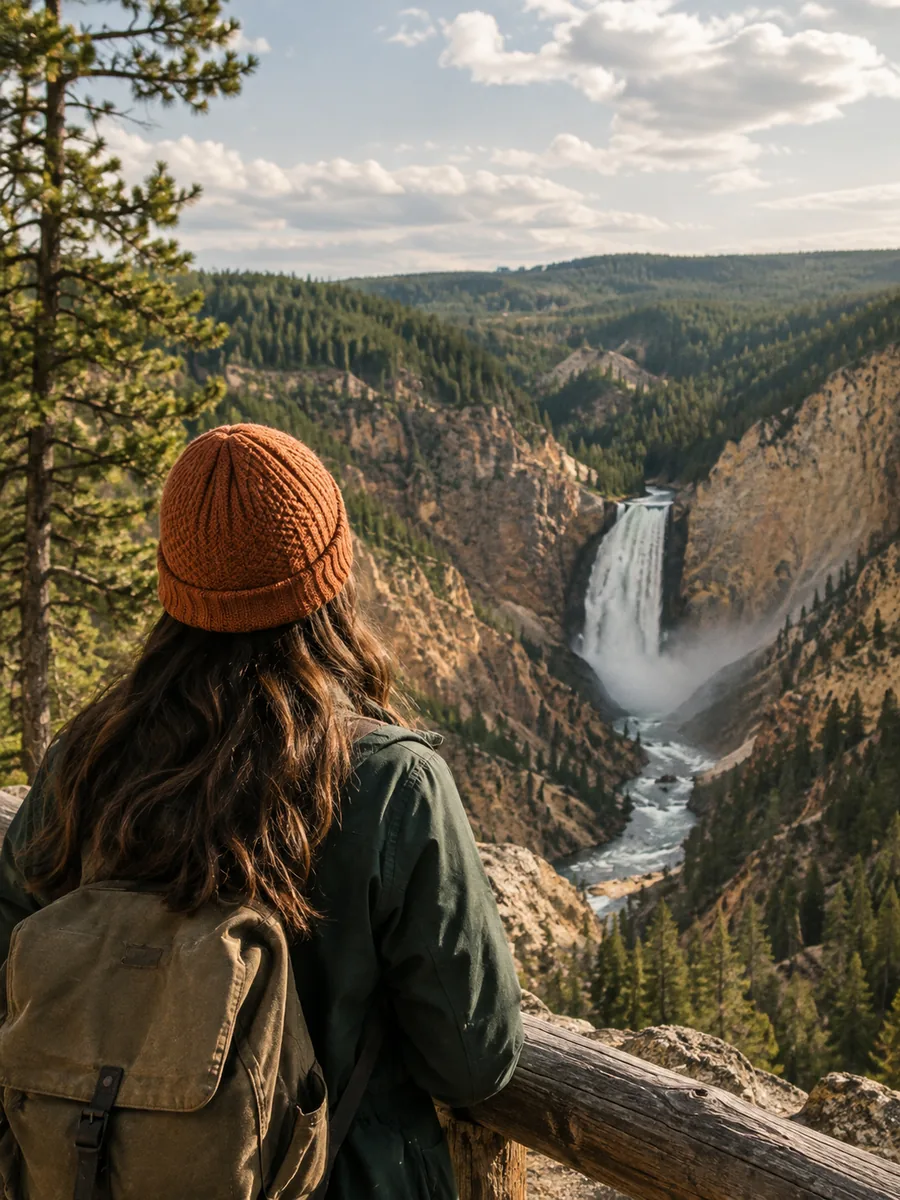
Visit Artist Point for views of the Lower Falls.
An itinerary designed for spotting megafauna in the northern valleys.
- Lamar Valley
Arrive at dawn for the best chance of spotting wolves and grizzly bears.
- Mammoth Hot Springs
Walk the boardwalks of the Lower Terraces to see travertine formations.
- Hayden Valley
Drive south through Hayden Valley to observe large bison herds.
- Yellowstone Lake
Enjoy scenic views along the shores of the largest high-elevation lake.
Wildlife Safety and Rules
Yellowstone is wild. You must stay at least 100 yards from bears and wolves. Keep 25 yards away from all other animals, including bison and elk. Carry bear spray and know how to use it.
Stay strictly on established boardwalks in thermal areas. Hot springs have caused fatal burns. Drones are completely banned everywhere in the park.
Easiest way to do it
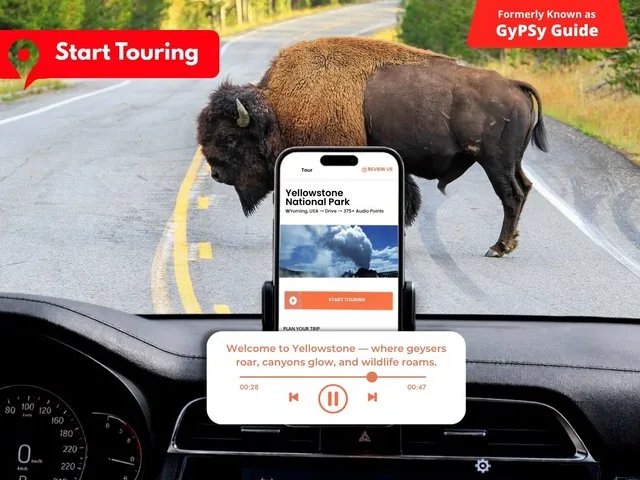
Self-Guided Audio Driving Tour in Yellowstone National Park
7 h to 8 h 4.8 (58)
- Support: Toll free phone, chat and email
- Easy To Use: Pre-download and tour offline
- Trip Planners: In-app, web and PDF
- Location Based: Stories, tips & directions that autoplay
From$17per person
Cancellation terms differ by platform and listing. Check them before you pay.
Planning questions
Can regular cars drive in Yellowstone during winter?
No. Most interior roads close to regular vehicles from early November to mid-April. You must book a guided snowcoach or snowmobile tour to reach places like Old Faithful during winter.
Do I need to carry bear spray?
Yes. The National Park Service highly recommends carrying bear spray if you plan to hike on trails or walk away from developed areas. You also need to know how to deploy it quickly.
Where is the highest point in Yellowstone?
Eagle Peak is the highest point in the park. It stands at 11,358 feet above sea level.